How to Write a Heartfelt Card for Dad Father's Day That Will Actually Mean Something
Father’s Day is one of those annual holidays that brings a specific, wonderful mix of nostalgia, gratitude, and mild pressure to write the perfect tribute. We all want our dad to feel seen, appreciated, and overwhelmingly loved—all captured on a few folded pieces of card stock. But staring at a blank page can be paralyzing. How do you distill years of shared experiences, inside jokes, and unwavering support into a few hundred characters without sounding cliché or overly dramatic?
If the thought of how to write a heartfelt card for dad Father's Day feels like climbing Mount Everest in flip-flops, take a deep breath. Writing this kind of message isn't about poetry; it's about sincerity and specificity. It’s about making your father feel like he is the lighthouse guiding you through every storm, only using words instead of beams of light. This guide will walk you through transforming vague wishes into meaningful memories that truly resonate.
Finding Your Inner Poet: The Mindset Approach
Before you write a single word, remember that this card is a snapshot in time—a crystallized moment of gratitude. It should feel personal, like reading a secret Perth note only he would understand. Resist the urge to write what you think he wants to hear; instead, write what you genuinely mean. This shift from performance to genuine reflection is the single biggest key to success.
Brainstorming Core Memories and Moments of Impact
A common mistake is generalizing ("You're the best dad ever!"). While true, this statement lacks teeth. To make your message pop, you need specific evidence. Think about moments where his actions spoke louder than words. What are those defining memories?
Consider these prompts to unlock powerful content:
- What was the funniest thing he did when I was little?
- When was a time I felt truly lost or challenged, and how did he help me navigate it? (This is your anecdote gold.)
- What unique piece of advice has he given you that you still use today?
- If you had to describe his best quality using only an object (e.g., "His patience is like a deep river"), what would it be?
Gathering these details is like collecting the bricks for a beautiful house; they give your words structure and weight. A great way to frame this is realizing that his support isn't just one big thing—it’s a collection of small, consistent actions over time.
Identifying His Signature Style
Every dad has a signature style, whether it’s dry wit, gentle wisdom, or relentless enthusiasm. Your card should mirror the tone of your relationship. If he is a man who prefers sarcasm and light jabs (the loving kind!), don't write an overly flowery ode. Instead, lean into the humor. Perhaps you can reference his questionable fashion choices from the 90s or joke about how much better technology has made things than when he was young—all wrapped in genuine affection. Humor is a powerful oil that makes even serious topics feel warm and inviting.
Structuring Your Tribute: From Opening to Farewell
Once you have your memories, you need a framework. A heartfelt card should flow like a conversation: an opening hook, a body of evidence (the core memories), and a simple, loving closing.
The Art of the Specific Opening Hook
Avoid starting with "Happy Father's Day." Instead, jump right into a memory or a feeling that anchors the whole piece. This immediately pulls him in because it speaks directly to your shared history.
For example, instead of: "Thank you for everything," try: "Remember that time we tried to fix the lawnmower and ended up covered head-to-toe in grease? Even then, you managed to make me laugh." This hook instantly grounds the message in reality and love, setting a perfect tone.
Building the Narrative Body Paragraphs
The body is where your brainstorming pays off. Instead of listing achievements ("You taught me to drive, fix things, and cook"), weave them into a narrative that shows how those lessons changed you. This makes the compliments feel less like bullet points and more like a story of growth.
A good rule here is the "Connect-Show-Tell" method:
- Identify the trait: (He taught me perseverance.)
- Show it in action: (When I failed that history project, he didn't just give me the answer; he sat with me and had me re-read my sources until 2 a.m.)
- Tell the impact: (That moment taught me that effort is always more valuable than perfection.)
This approach turns general compliments into powerful evidence of his character, making your message shine like polished gold.

Crafting a Meaningful Closing Thought
Don't let your card trail off with just "Love, [Your Name]." The closing should summarize the central feeling—the enduring nature of his role in your life. You could reiterate that his steady presence is the bedrock of your family, or use an idiom like: "You truly are my rock." Make it feel conclusive, yet open-ended enough to suggest continued connection.
Beyond the Pen and Paper: Presentation Matters
Writing how to write a heartfelt card for dad Father's Day isn't just about the words; it’s also about the physical act of giving it. The delivery enhances the message exponentially.
Choosing the Right Medium
Do you use a fancy, expensive card, or do you opt for something simpler, perhaps printed on high-quality stationery? Sometimes, the medium should reflect your relationship. If he is low-key and prefers utility over flash, consider writing his thoughts inside a personalized notebook or attached to a photo album—a physical keepsake that continues to serve him after Father's Day.
The Power of Handwriting (And the Napkin Trick)
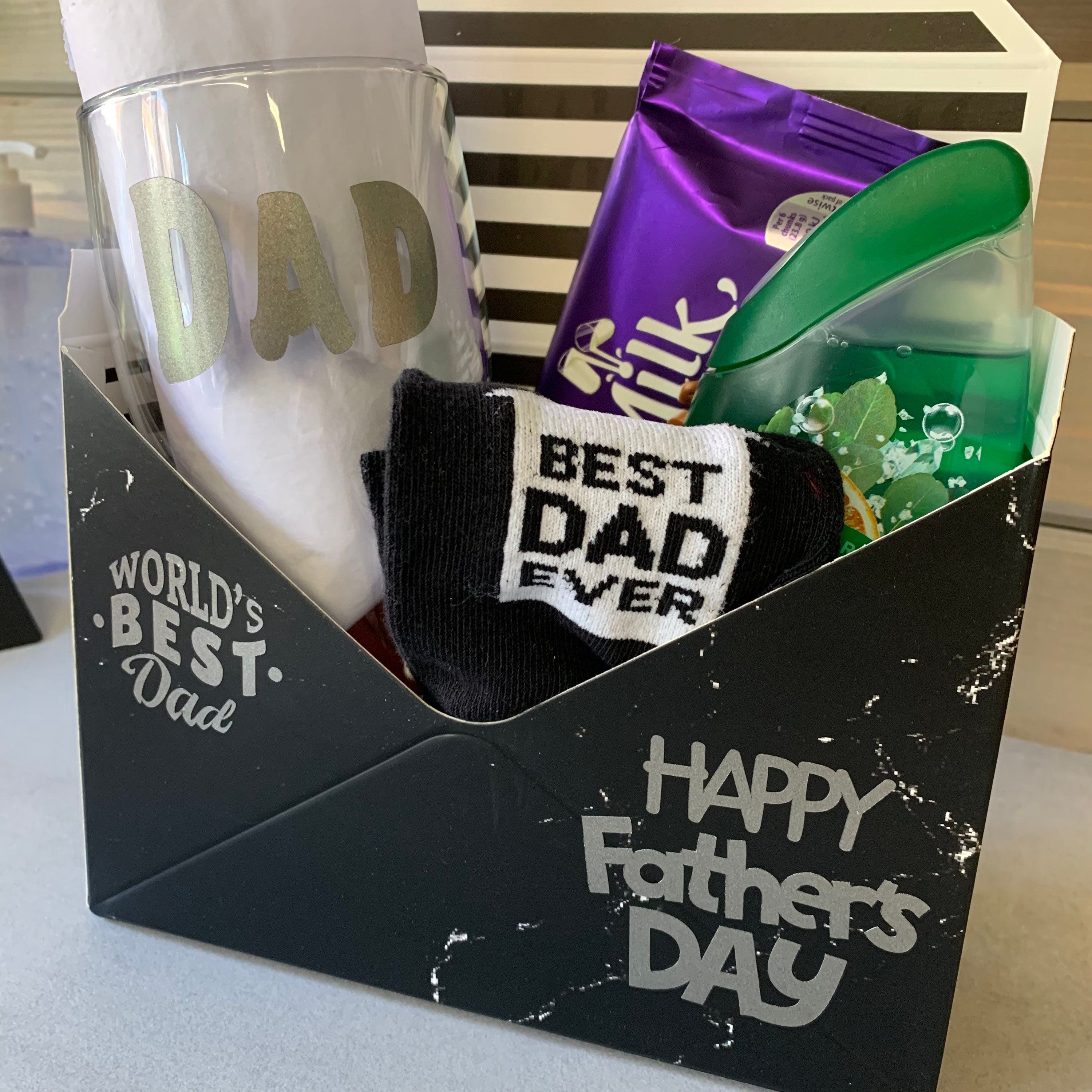
In our digital age, nothing beats authentic handwriting. It forces you to slow down and gives the message an irreplaceable tangibility. If you are struggling with time or perfection, don't panic. Sometimes, a small note written on a napkin at a dinner table, paired with an elaborate gift, can be more impactful than the most expensive card. The imperfection adds character.
Ultimately, whether your message is perfectly phrased or slightly rambling and full of tears (or laughter!), what counts is the effort. It shows him that you paused your busy life to genuinely consider his impact. After all, a single heartfelt card can act like a mirror, reflecting back to him not just who he was for you, but how profoundly he changed you into the person you are today. By following these steps—focusing on specific memories, structuring your thoughts logically, and delivering it with intention—you will write a tribute that feels less like homework and more like pure, unadulterated love.