When "Nothing" is the Only Gift He'll Accept: The Art of Giving Experiences
We’ve all been there. You spend hours scrolling through online gift guides—the artisanal coffee brewers, the bespoke leather wallets, the ultra-rare vinyl pressings. You select a beautifully packaged box, convinced this item represents peak thoughtfulness. You present it with the Deluxe Gift Basket utmost sincerity. And then you watch his face fall into that familiar mask of polite confusion: “Oh. That’s… nice.”
Check over hereIf your father (or father figure) is one of those men who views physical objects as necessary commodities—useful, but ultimately forgettable—you feel a distinct pang of failure. You worry you’ve missed the mark entirely. The truth is, this isn't about finding a better gadget; it’s about shifting your entire approach to gifting.
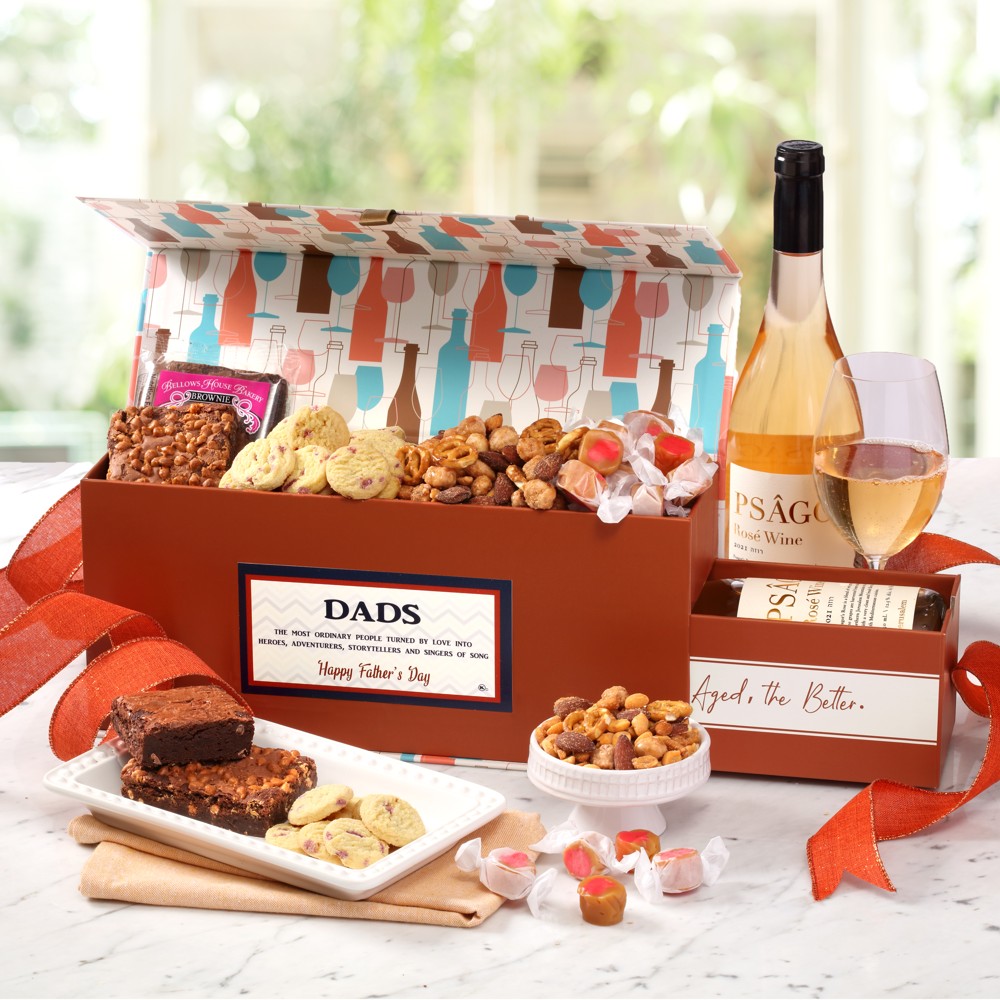
When the gift-receiving criteria are "no physical items," the solution isn't to buy something else. It's to curate something that fundamentally cannot be contained in a box: time, attention, and shared memory. You are moving from the realm of consumer goods into the territory of emotional architecture.
The Curated Gift of Time: Scheduling Joy
The most powerful currency you possess is your undivided time. For men who value competency and efficiency, the gift of free time or focused attention is priceless. It’s a subtle but profound shift in mindset. Instead of buying him an object that requires effort (like a complex hobby kit), you are gifting him the opportunity to be.
How do you structure this? By treating it like a premium itinerary, not just a vague suggestion.
- The "Zero-Stress Day" Package: This is for the dad who constantly manages everyone else's schedules. The gift isn't an event; it’s permission to not manage anything. Curate a day where all decisions are made and executed by you, leaving him only with relaxation. Think reservation handling, transportation coordination, and pre-paid tickets that require no effort on his part.
- The Skill Swap: If he loves tinkering or learning something new but never has the dedicated time, gift access to an expert. This could be a private lesson in woodworking, a virtual masterclass on whiskey tasting, or even a deep dive into local history with a specialized guide. The purchase is for the access, not the physical tool kit required for it.
Consider this: If you were curating a "hamper," instead of filling it with snacks and mugs, you would fill it with vouchers—vouchers for conversation, vouchers for uninterrupted silence, vouchers for an expert chat.
Rebuilding Memory: The Storytelling Approach
If he doesn't want objects, give him narratives. This angle requires more emotional labor than money, but the return is exponential in meaning. You are giving him a curated experience of self.
The goal here is to gather moments that can be revisited without having to physically touch them.
- The "Yearbook" Project: Instead of a generic photo album, create a highly personalized narrative book. Don't just print photos; write the stories around them. For example: “This picture was taken at the lake in '08. You spent three hours teaching me how to skip rocks, and I still think about that sound.” The text is the gift.
- The Shared Playlist/Podcast: Curate a playlist of songs tied to significant memories (the song playing when you first moved into your own place; the soundtrack from his favorite movie). Better yet, record an audio message—a private podcast—where you and other family members share short "tributes" or funny anecdotes about him. This is highly personal, easily consumed, and entirely intangible.
- The Time Capsule Letter: Write a series of letters marked to be opened at different times: “Open this on your next work anniversary,” or “Read this when the weather turns cold.” The gift isn't the paper; it’s the intentional anticipation built into receiving the future message.
Acts of Service: Giving Effort Back
Sometimes, the best gifts are invisible because they involve removing friction from his life. This requires deep observation and an empathetic willingness to step into his shoes—a form of gifting that costs time, not dollars.
Think about what he habitually complains about or what tasks drain his energy. That is your gift opportunity.
- The Tech Overhaul: If he struggles with smart home devices or complex streaming services, spend a day setting up and optimizing everything for him. Teach him how to use the new features so that the knowledge transfer becomes the lasting present.
- The Choreary Package: This is straightforward but profoundly appreciated. It could be pre-booked car detailing appointments, lawn care cycles scheduled out weeks in advance, or a meal prep service for a week of busy workdays. You are gifting him back his mental bandwidth and physical energy.
I remember when my dad dismissed the elaborate 'man cave' I tried to curate for Christmas—the gadgets, the whiskey decanters, the framed sports memorabilia. He just smiled vaguely and said, "It's a lot of stuff." Deflated, I asked him what he actually wanted. It turned out he didn't need things; he needed a structured Saturday where someone else handled all the setup, cleanup, and decision-making process for them. The revelation was that the gift wasn't the fishing trip itself; it was the guarantee of effortlessness.
As Maya Angelou wisely wrote: "You can't control what happens to you, but you can always control how you respond to it." Similarly, in gift-giving, you cannot control if your father will open a box or smile at a shared memory. But you can control the depth of thought, effort, and genuine understanding that goes into selecting the non-physical tribute.
The most enduring gifts aren't those with retail price tags; they are the ones that enrich the emotional landscape of the recipient. By shifting your focus from object to interaction, you ensure that whatever you give—be it a laugh, an afternoon, or a perfectly written memory—will be something he truly keeps.
When the physical gift fails, remember this: You aren't trying to buy happiness; you are curating the conditions for connection. That is where the true art of giving lies.
