Why Buy an Experience Hamper Instead of Physical Goods? The Gift Guide for Memories
We’ve all been there. You are tasked with finding a perfect gift—a thoughtful gesture that will make someone feel truly seen, appreciated, and loved. Your mind drifts through aisles filled with beautiful, functional objects: scented candles, handcrafted mugs, fancy gadgets. But as the wrapping paper gets ready to go on those lovely physical goods, a nagging question pops up: Will they actually use it? Perhaps even worse, will it just sit in a closet gathering dust?
If you’ve ever felt that emotional drain of buying something beautiful only for it to become another item on an accumulating pile of 'stuff,' then this guide is for you. The modern gift-giver is grappling with the dilemma of permanence versus participation. This article dives deep into the undeniable value proposition, helping you understand why buy an experience hamper instead of physical goods? Spoiler alert: the answer involves laughter, adventure, and unforgettable moments.
Shedding Light on the Burden of 'Stuff'
The problem isn't with receiving nice things; it’s often with the sheer volume of them. In a consumer culture that constantly demands more, our homes are becoming increasingly repositories for objects we bought because they looked good, not because we needed them. Physical goods, while initially exciting, carry an inherent burden: storage space, maintenance, and sometimes, guilt if unused.
Think about your own closet or pantry. How many items do you rarely touch? They don't hold memories; they just occupy square footage. This concept of 'stuff creep' is subtle but potent. When we focus too much on the material exchange, we accidentally devalue the human connection that lies beneath it all.
Experiences, by contrast, are non-material assets. They cannot be lost in a move, and they don't require seasonal dusting. Instead, they create a narrative. This shift in perspective is key to understanding why buy an experience hamper instead of physical goods? You aren't giving them an object; you are gifting them time.
The Magic of Shared Moments Over Material Ownership
What truly elevates a gift from merely nice to deeply meaningful? It’s the shared context. An experience—whether it's a gourmet picnic, a pottery class, or tickets to a local play—is inherently collaborative. It forces participation and memory-making.
Consider this: A beautifully scented candle is lovely until the wax runs out. But remember the time you and your friends spent laughing until tears streamed down your faces while trying (and failing) to assemble a complicated piece of furniture? That moment, that visceral feeling of collective joy, is what endures. It’s the kind of memory that acts like an internal compass point, Sweet Treats always reminding you of who was there when.
As one travel writer wisely noted, "The best souvenirs are not things; they are memories." Experience hampers curate these moments—they might contain ingredients for a specific meal or tools for a unique activity, but their true purpose is the process of doing something together. They provide the scaffolding for joy.
Curating Joy: The Anatomy of an Experience Hamper
Experience hampers are brilliant because they solve the problem of choice overload. Instead of forcing the recipient to pick one generic gift from a massive store, the hamper acts as a curated itinerary. It whispers, "Here is something fun we've put together for you."
They usually contain several complementary elements—a unique set of items designed specifically to facilitate an activity. This approach makes them feel incredibly thoughtful and intentional. They are less about what they contain, and more about what they enable.
Beyond Clutter: The Emotional Return on Investment
When we talk about the value of experiences, we're talking about emotional return on investment (ROI). Goods are finite; emotions are renewable.
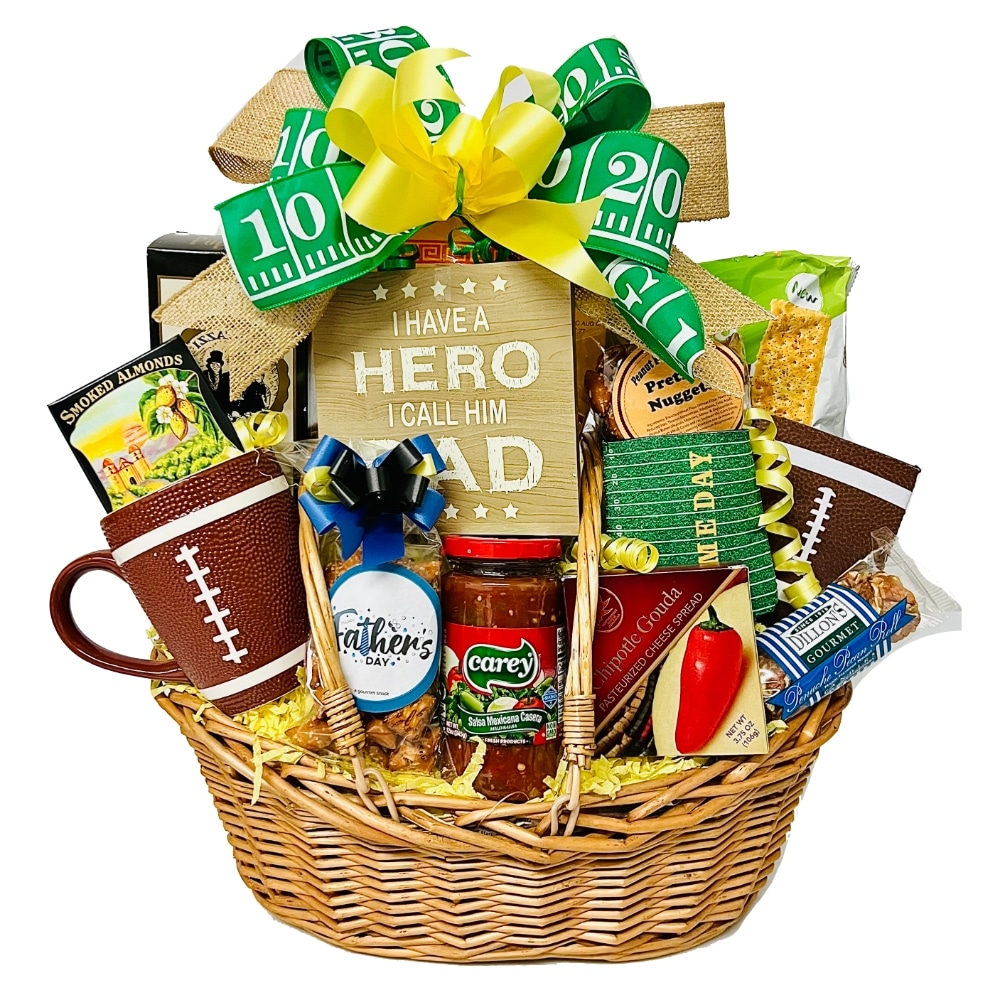
By opting for an experience hamper, you aren't just giving a gift; you are investing in future positive feelings. You are betting that this recipient deserves moments of genuine delight and connection. It’s a powerful statement that says, "I care about your joy as much as I care about my ability to find matching throw pillows."
How does this translate into practical gifting? Think about categories:
- The Relaxation Hamper: Enables an evening dedicated solely to de-stressing (e.g., bath bombs, fancy tea, a guided meditation booklet).
- The Adventure Hamper: Kicks off an outdoor activity (e.g., picnic basket components, local guidebooks, charcuterie tools).
- The Culinary Hamper: Prompts hands-on fun (e.g., pasta kits, exotic spices, wine pairings).
When you look at these options, it becomes crystal clear why buy an experience hamper instead of physical goods? The answer is that they offer potential. Potential for laughter, potential for connection, and potential for personal growth—things no amount of fancy gadgetry can replicate.
Crafting Your Next Moment of Shared Delight
Choosing the perfect gift shouldn't feel like solving a complex mathematical equation; it should feel intuitive. To guide your next gifting decision, try matching the hamper to the recipient’s current need or life stage rather than simply their aesthetic preferences. Are they stressed and needing a pause? Go for a relaxation theme. Are they ready for an adventure? Pack them a trail-blazing kit.
Remember that the best gifts are those that prompt stories. They give the gift receiver something to talk about, something to click here recall, and something to actively participate in. By focusing on the shared journey rather than the static destination of material goods, you ensure your thoughtfulness resonates long after the ribbon is cut.

So, the next time you find yourself agonizing over whether a lovely ceramic vase or a basket full of artisanal chocolate vouchers is the better choice, take a moment to breathe. Consider the memory first. Embrace the power of participation, and let shared moments be the centerpiece of your gift-giving philosophy.